
How Recent International Tensions Have Exposed Iran’s Systematic Repression of Its Arab Minority
By Mayasa | July 1, 2025
Recent international tensions—particularly following Israeli strikes on Iranian territory—have illuminated longstanding injustices within Iran’s borders. Chief among these is the Iranian regime’s deeply entrenched and systematic repression of its Arab minority. While this is far from a new development, the current geopolitical climate has brought renewed attention to the enduring marginalization and human rights violations faced by Iran’s Arab population.
This multifaceted repression permeates nearly every dimension of life—political, economic, cultural, and environmental—leaving Arab communities in a chronic state of marginalization and vulnerability. Nowhere is this more apparent than in the oil-rich province of Khuzestan, which is home to a significant portion of Iran’s Arab population. Despite Khuzestan’s substantial contributions to the national economy—particularly through its oil wealth—Arab residents continue to face systemic neglect and institutional discrimination. Development is deliberately withheld, civic voices are silenced, and activism is harshly punished. As a result, Arab communities remain among the most impoverished and underserved in the country.
For decades, state policy has treated Arabs in Iran as second-class citizens. Stark disparities in infrastructure, education, healthcare, and employment are well documented. Recent images circulating on social media depict dilapidated housing, contaminated waterways, and crumbling roads in Arab-majority towns—conditions that starkly contrast with the relative development of Persian-majority regions. These visual records provide compelling evidence of the regime’s deliberate neglect and reveal a broader strategy of economic disenfranchisement and environmental degradation targeting Arab communities.
The recent geopolitical escalation has provided the Iranian government with a convenient pretext to intensify this repression. Under the guise of national security, the regime has launched a sweeping campaign of arrests, intimidation, and censorship—especially in Arab-majority areas. Reports from Ahwaz indicate that dozens of Arab citizens have been arbitrarily detained in recent days. The Karun Human Rights Organization has confirmed that arrests occurred in several cities, including Ahwaz, Masjed Soleyman, and Ramshir. The charges—ranging from “espionage” and “collaboration with hostile foreign entities” to vague accusations tied to social media activity—are frequently unsubstantiated and made without due process or access to legal representation.
On June 20, 2025, state media quoted Ahwaz’s prosecutor, Amir Khalafian, who announced the arrest of 54 individuals described as “hostile elements and supporters of Israel.” However, local sources and human rights defenders report that many of those detained had already been under surveillance or previously summoned by the Intelligence Department of Khuzestan Province or the IRGC Intelligence Organization. These individuals had been subjected to harassment and coercive interrogations, suggesting a premeditated effort to quash dissent rather than ensure national security.
This wave of repression is part of a broader, calculated strategy: using external threats to justify the suppression of internal opposition—particularly among marginalized ethnic and linguistic minorities. By conflating dissent with treason and protest with terrorism, the regime has effectively criminalized Arab identity and suppressed legitimate demands for justice, dignity, and equal rights.
Equally troubling is the inflammatory rhetoric coming from senior state officials. In a recent sermon, Nabi Mousavi-Fard—the Friday Prayer Leader of Ahwaz and representative of Supreme Leader Ali Khamenei—called for “public and summary trials” of those arrested. Such statements not only violate international legal norms and Iran’s own constitutional obligations, but also send a chilling message to the Arab community: dissent will not be tolerated, and even perceived activism may lead to severe punishment without due process. This rhetoric doesn’t merely rationalize state violence—it actively incites it, perpetuating a cycle of fear and repression.
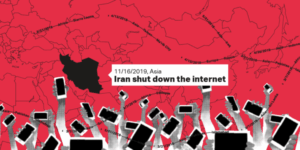
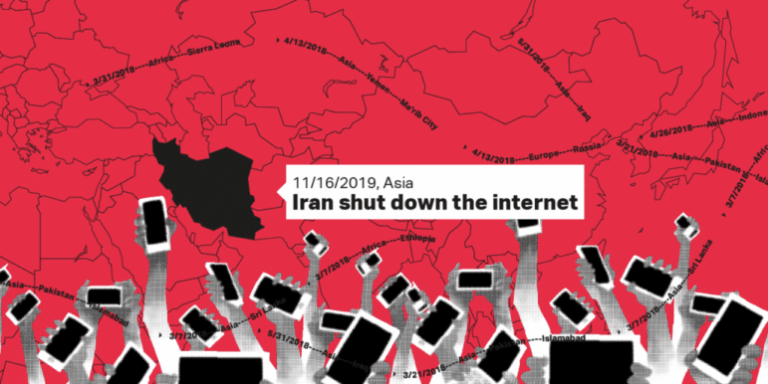
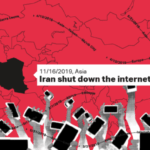
The crackdown has also extended into the digital realm. Internet shutdowns and communication blackouts in Khuzestan have coincided with the wave of arrests, effectively isolating the region from both domestic and international scrutiny. This digital censorship obstructs documentation of abuses and hinders peaceful resistance. By cutting off communication channels, the regime seeks to control the narrative and suppress evidence of its violations.
In conclusion, the Iranian government’s exploitation of international crises to escalate its repression of the Arab minority is not incidental—it is part of a sustained campaign of systemic erasure. The international community must no longer look the other way. Governments, international organizations, and human rights groups must hold Iran accountable, demand transparency, and advocate for the rights of all its citizens—regardless of ethnicity or language.
Inaction only emboldens authoritarianism and deepens the suffering of already marginalized communities. Arabs in Iran deserve the same freedoms, protections, and opportunities as any other citizens. Without sustained global pressure and meaningful intervention, the situation in Khuzestan will continue to deteriorate—and the hope for justice and equality will remain out of reach for millions of Iranian Arabs.