

Checkmate: Is This the End of the Iranian Regime?
By Mayasa Albawi
February 21, 2026
The Iranian regime stands on the edge of its most dangerous precipice since the 1979 revolution led by Ruhollah Khomeini established the Islamic Republic. What once projected revolutionary confidence and regional strength now appears strained, brittle, and increasingly cornered. Economic collapse, relentless social unrest, generational defiance, and mounting international confrontation are converging simultaneously. This is no longer a routine period of pressure. It is a moment of systemic vulnerability.
A Suffocating Economic Crisis
The economic crisis is severe and suffocating. After the United States withdrew in 2018 from the Joint Comprehensive Plan of Action under President Donald Trump, sweeping sanctions struck at the core of Iran’s economy: oil exports, banking networks, shipping, and access to global markets. Oil revenues plummeted. Foreign investment evaporated. Access to advanced technology narrowed. Inflation surged to punishing levels, devouring wages and savings. The national currency spiraled downward against the dollar, hollowing out the middle class and pushing millions toward economic insecurity. Youth unemployment remains dangerously high, leaving a generation educated but economically stranded.
Yet the crisis runs deeper than sanctions alone. Structural corruption, opaque governance, and the dominance of state-linked conglomerates, particularly those affiliated with the Islamic Revolutionary Guard Corps, have stifled private enterprise and institutional accountability. Investor confidence has eroded. Brain drain has accelerated as skilled professionals flee instability. The economy is not merely strained; it is structurally weakened.
Defiance at Home
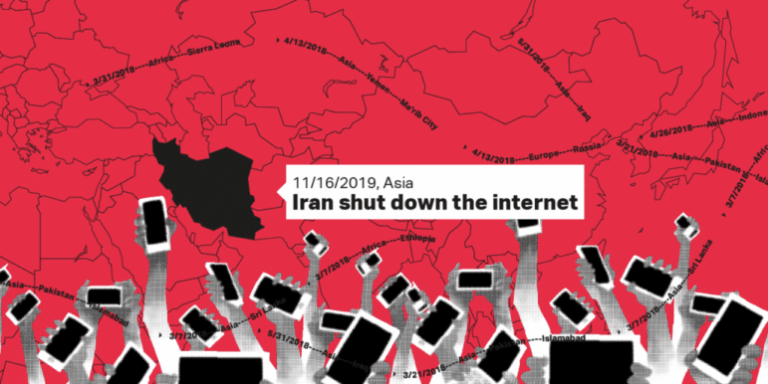
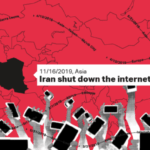
Inside the country, unrest has intensified into open defiance. Nationwide protests have evolved beyond demands for reform and now directly challenge the regime’s legitimacy. Women, students, workers, and professionals have taken to the streets despite harsh repression. Internet blackouts, arrests, and violent crackdowns have failed to extinguish dissent. Instead, each attempt to silence opposition deepens resentment.
In a society built around strong family networks, every casualty and detention multiplies into collective grievance. Fear no longer guarantees obedience.
Escalating External Pressure
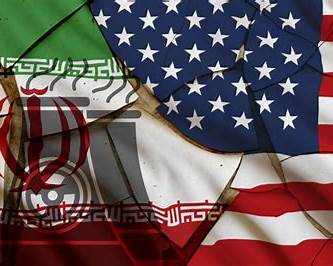
Externally, the danger is escalating at a frightening pace. A war cloud is no longer metaphorical, it is a looming possibility. Tensions with the United States over Tehran’s nuclear program have reached a volatile tipping point. Military assets are being repositioned. Strategic warnings are growing sharper. Diplomatic windows appear to be narrowing.
What once seemed rhetorical brinkmanship increasingly resembles preparation for confrontation. If negotiations collapse, targeted strikes or broader military engagement can no longer be dismissed as unthinkable. War is no longer a distant scenario; it is an option openly contemplated in strategic calculations.
A Generational Shift
At the same time, Iran’s demographic reality compounds the regime’s vulnerability. The country is young, urban, and digitally connected. A majority of citizens are under 35 and feel little emotional attachment to revolutionary ideology. Social values are shifting rapidly, widening the divide between rulers and ruled.
A generation raised in the digital age cannot easily be isolated from global narratives or indefinitely constrained by rigid political structures.
Adapt or Fracture
Is this checkmate?
The regime faces a convergence of economic breakdown, organized resistance, demographic transformation, and a credible external threat. Its history demonstrates resilience, but resilience has limits. Public trust is eroding. Fissures are widening. Pressure is mounting from within and without.
This is no longer simply a period of instability. It is a struggle for survival.
When economic despair, internal revolt, generational change, and the real prospect of war converge, even entrenched systems can fracture. The Islamic Republic now confronts a stark reality: adapt dramatically or risk collapse under the combined weight of crisis and conflict.