From “Death to America” to Ivy League Dreams: Inside the Double Lives of
Iran’s Elite
By Mayasa Albawi
March 25, 2026
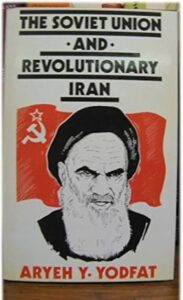
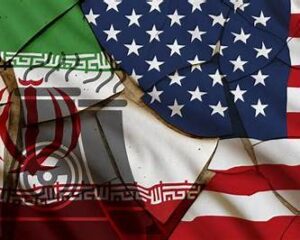
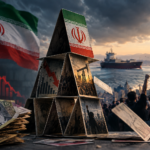
“Death to America” is more than a slogan in Iran—it is a political ritual,
repeated from podiums, broadcast on state television, and embedded in official
discourse. It is intended to signal resistance, defiance, and ideological clarity.
Yet behind these slogans lies a reality that millions of Iranians increasingly
recognize. While officials publicly denounce the West, their families quietly build lives
within it. Their children study at American universities, work in Western institutions,
and benefit from freedoms and opportunities that remain out of reach for ordinary
citizens at home.
This contradiction is no longer perceived as mere hypocrisy. For many
Iranians, it feels like betrayal. The evidence is neither hidden nor anecdotal. It is
documented, discussed, and becoming increasingly difficult to dismiss. Children of
senior officials and influential figures have established themselves across the United
States and Europe:
Fatemeh Ardeshir Larijani, daughter of senior political figure Ali Larijani,
received medical treatment in the United States and later worked at Emory
University in Atlanta before sanctions affected her position.
Zahra Mohaghegh Damad, from a powerful clerical family, holds a
professorship in Nuclear and Radiation Engineering at the University of Illinois and
directs a major research unit.
Zainab Hajjarian, daughter of a prominent intelligence official, serves as an
assistant professor of Biomedical Engineering at the University of Massachusetts.
Issa Hashemi, son of Masoumeh Ebtekar—widely known for her role during
the 1979 U.S. embassy crisis—teaches at the Chicago School of Professional
Psychology in Los Angeles.
Leila Khatami, daughter of former president Mohammad Khatami, studied
mathematics in New York, with reports indicating that her academic affiliations were
later removed from public listings.
These are not isolated cases. Rather, they point to a broader and more
entrenched pattern. Across the United States, Canada, and Europe, families of
politically connected figures continue to pursue education, careers, and business
ventures abroad—often supported by wealth that critics argue stems from systemic
corruption, preferential access, and the diversion of national resources.
For many observers, this goes beyond privilege. It is widely perceived as the
concentration—and export—of a nation’s wealth by a small elite, while the broader
population is left to bear the consequences.
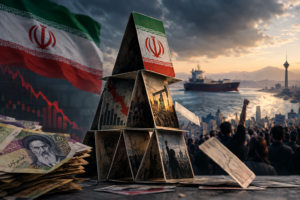
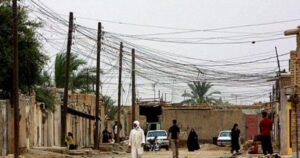
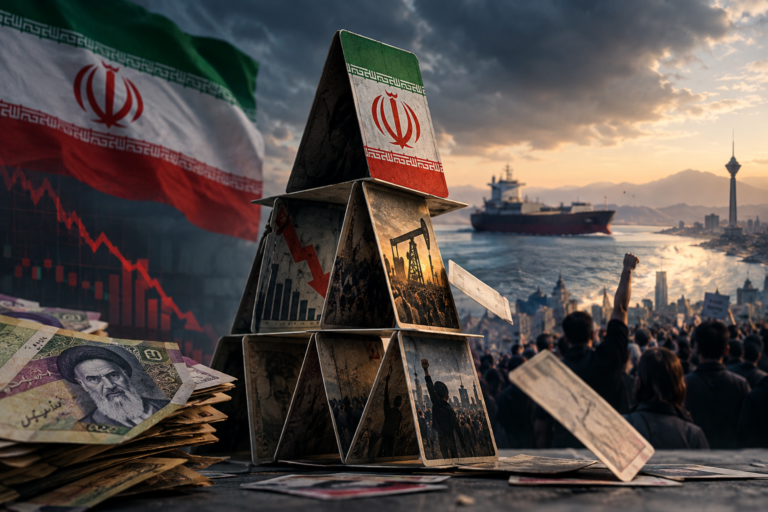
Meanwhile, inside Iran, a very different reality unfolds. Economic hardship has
intensified, with inflation steadily eroding purchasing power and unemployment
limiting opportunities, particularly for younger generations.
Basic freedoms—including access to global digital platforms—remain
restricted, further isolating citizens. In some cases, reports of individuals resorting to
selling organs to survive have underscored the severity of economic distress. For
many, daily life is defined by constraint: rising costs, limited opportunity, and
diminishing hope for upward mobility.
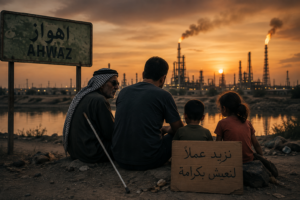
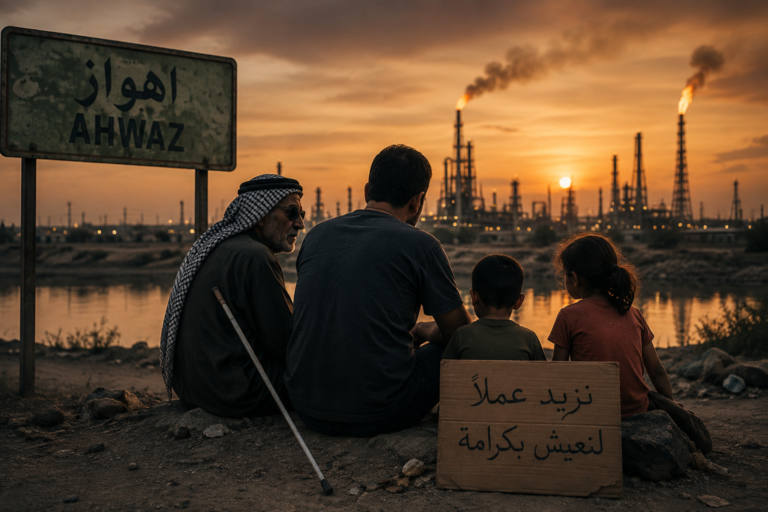
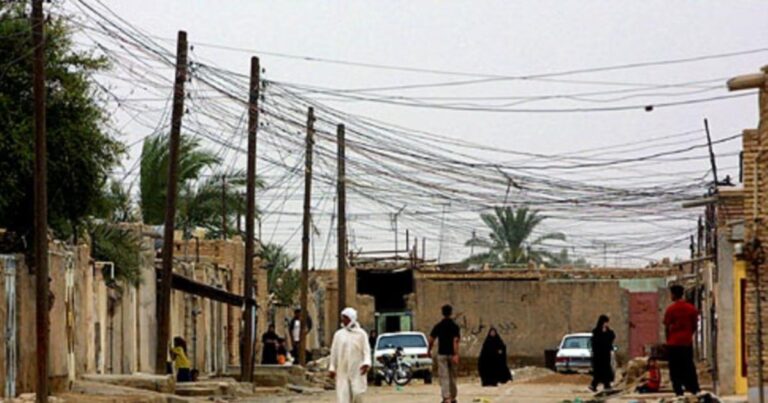
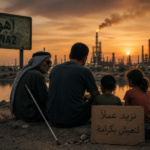
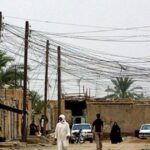
These inequalities are even more pronounced among marginalized
communities, including the Arab population in the Ahwaz region. Despite the area’s
vast natural resources, many Ahwazi Arabs report chronic underinvestment,
environmental degradation, and systemic discrimination.
Water shortages, pollution, and land mismanagement have severely affected
livelihoods, while political and cultural expression remains tightly controlled. For
residents of Ahwaz, the disparity is particularly stark: immense local wealth exists
alongside persistent poverty, while the families of those in power thrive abroad.
Taken together, these realities highlight a divide that is no longer abstract. It is
visible, tangible, and deeply felt. While anti-Western rhetoric continues to dominate
official discourse, the actions of those in power reveal a different set of
priorities—ones shaped by access, mobility, and opportunity beyond Iran’s borders.
At the heart of this contradiction lies a deeper grievance. For many Iranians,
the issue is not only hypocrisy, but the belief that national wealth has been
concentrated and redirected in ways that benefit a select few, leaving the majority to
endure economic hardship. From publicly chanting “Death to America” to embracing
the American dream, Iran’s elite send their sons and daughters to live extravagant
lives across the United States, far removed from the hardships endured by the
people they claim to represent.