

Date: 11 December 2010 No: 165
On December 10 of each year Human Rights Day is celebrated around the world. On such a 
historic day in 1948 the General Assembly of the United Nations adopted the Universal Declaration of Human Rights. Today coincides with the 62 anniversary of the issuance of this declaration, which includes the basic principles of human rights including civil and political rights, economic, social and cultural rights of all people.
More than six decades on since the Universal Declaration of Human Rights, and in spite of some achievements and successes in the field of human rights, there are still serious abuses and flagrant violations committed daily against individuals and groups in different regions of the world, particularly in the Third World and the Middle East including Iran.
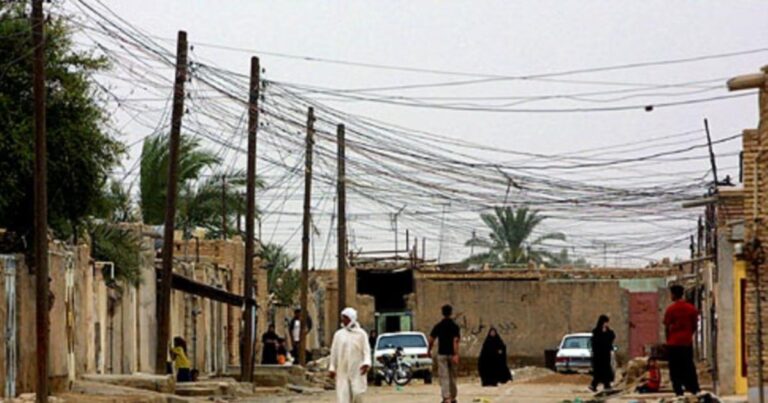
Poverty and hunger are still affecting millions of people around the world. Unemployment is on the rise in many countries. In the area of education the picture is not bright either, and has even seen a marked deterioration in regions like the Arab world and Iran, especially among ethnic minorities.
Political and civil society activists in Iran face intense pressure and constant harassment by the authorities and many face persecution, imprisonment and torture. Prisoners of conscience, writers and journalists are subjected to all forms of repression and persecution and many imprisoned, intimidated or forced to flee their homeland.
National and ethnic minorities in Iran, like the Kurds, Azeri, Baluchi, Arab, Turkmen and others are still suffering discrimination and persecution many folds. Although they share other members of Iranian society their suffering from political and social repression, but they also suffer from national and cultural discrimination and oppression which has serious repercussions on the community.
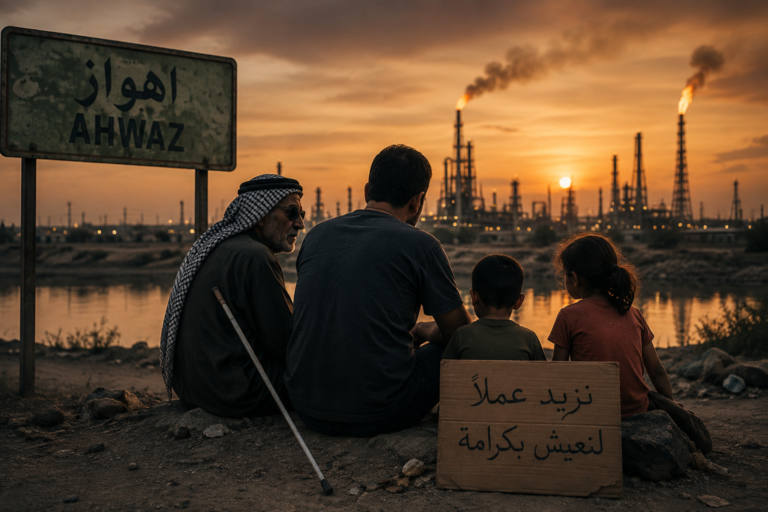
The plight of Ahwazi and other ethnic minorities and Iranian refugees and migrants has become more serious than ever before. Greater numbers of people have been forced to flee to other countries for fear of imprisonment, torture and execution, in the hope of finding a safe haven and peaceful life.
Ahwazi Arab and other ethnic minority children are living in poor social conditions lacking basic health facilities and suffering from malnutrition. They are also deprived from the right to education in their native language which is one of the basic principles of human rights.
Women in Iran, especially in areas inhabited by non-Persian ethnic groups like Ahwaz suffer from increased family and social repression and still subjected to violence and cruel treatment. Recent years have seen an increase in cases of so-called “honor killings” committed against women and which is ignored and even tolerated by the Iranian authorities. Women remained hostage to the will of men in the economic, social and political areas. Sentencing to death by stoning against women for “adultery” in Iran, has been continuing despite local and international protests. There has been an increase in the cases of stoning over the last decade.
Respect for human rights, as stipulated in international conventions and treaties and the Universal Declaration of Human Rights is the responsibility of all governments and regimes.
Email: ahro25@yahoo.co.uk www.ahwazhumanrights.org P.O.Box 17725, London, N5 2WP, U.K


+ There are no comments
Add yours