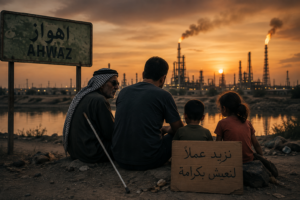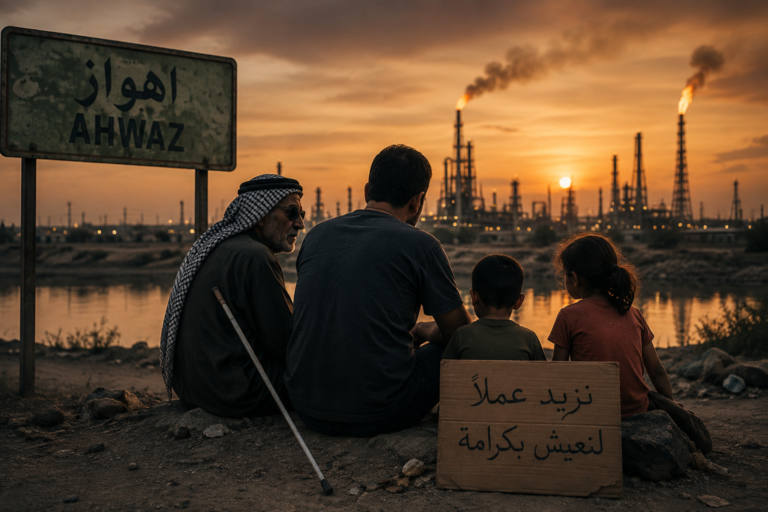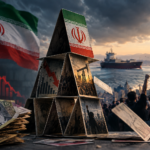
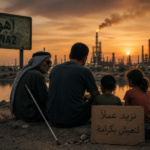
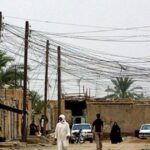


Home to the bulk of Iran’s oil and gas reserves, the country’s southwestern Arab regions are also devoid of the most basic amenities. How can Iran outright neglect its most resourceful of cities?
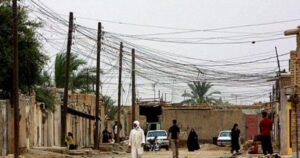
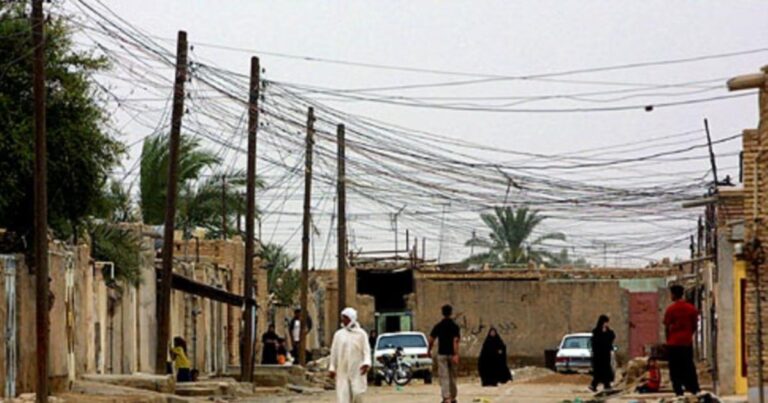
Looking at online videos of Iran’s southwestern Arabistan province, I cannot help but wonder whether I am witnessing a region struck by some force of nature. A hurricane or an earthquake must certainly have hit those cities for them to look like that…
That is not the case. And believe it or not, these are the areas that produce 90 per cent of Iran’s oil and natural gas. Not 50 per cent. Not 70 per cent. 90 per cent!

Despite such a resourcefulness, Iran’s Arab regions face a load of crucial challenges. Delving into those would take forever. So for the sake of brevity, I will only list those that come to my mind now: water pollution, air pollution, unemployment, alarming illiteracy, child malnutrition, high cancer rates, mysterious skin diseases… The list goes on.

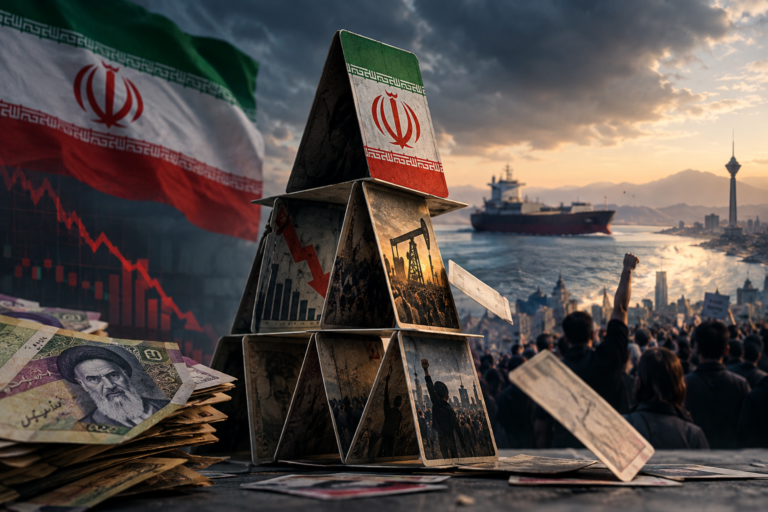
I am not an economist, nor am I good at math. But even I know that there is something utterly wrong with this picture. There must be a missing variable in this equation. How is it that a region is so rich in resources yet so destitute and rife with disease?

During the Iran-Iraq war, the first Iranian cities that incurred the wrath of Saddam’s army were Arabistan’s: Ahwaz , Mohamarah, Abadan , Mahshahr… Their location in the South and South-West made them the perfect geographic target. Add that to their oil and gas reserves and you’ll understand why they were the most hard-hit by the war.

The area is full of land mines, and its soil and water are still contaminated with chemical weapons used during the war. War has certainly done its share in ravaging Iran’s Arab regions. But that was 30 years ago. Does it make sense to keep blaming the war for how such a rich part of the country lags behind in terms of development? This is 2014. The Iranian authorities have the means to rebuild Arab towns and cure their cancer-affected, chemicals-infected inhabitants. But they have not. So let’s just keep blaming the war of the 1980s.

Just take the example of how Arabistan’s water resources are being managed. The region’s Karoon river used to be one of the cleanest and clearest in the area. Not anymore. Today, it is used to dump industrial waste from factories and hospitals. To add insult to injury, a dam has been built over Karoon. It’s purpose? Divert clean water from Arabistan to central Persian cities like Yazd, Rafsanjan and Isfahan. Isfahan’s gardens enjoy beautiful lakes, courtesy of Arab cities like Abadan and Mohamarah. The same cities in Iran that barely have access to drinkable water. Lack of water is actually the reason advanced by Iranian authorities to ban Arab farmers from cultivating any kind of crop. It’s not just water, you see. Food too is scarce because of such deliberate neglect.

But don’t take my word for it if you think I sound like a conspiracy theorist. Surely statistics are more reliable than my rants. Even by the Iranian government’s own admission, the Arab city of Khuzestan suffers the highest rate of child malnutrition in the country. How come? Aren’t these malnourished children entitled to some level of decent living given what their region gives the country in terms of revenues? Oil-rich Khuzestan is also where one out of every two people is out of work, and 6 out of 10 are illiterate. Makes you wonder what they mean by “black gold”…

* by: Sheima Silawi is an Arab-Iranian Human Rights activists, currently living in Brussels