


Unveiled in Iran: Debunking the Myth of Psychological Illness
The Iranian regime has long been criticized for its authoritarian policies and violations of human rights. One of its latest measures exemplifies the regime’s horrific and oppressive practices against its citizens. The decision to label women who refuse to wear the hijab as psychologically ill and mandate their referral to so-called “anti-corruption clinics” is not only unjust but also deeply inhumane.
This controversial move follows the arrest of a university student, Ahou Dariyai, who protested by appearing unveiled—an act that led to her swift punishment and subsequent disappearance. By leveraging the medical sector to enforce its oppressive policies, the regime is crossing new boundaries of control, further alienating its citizens and damaging societal trust.
The Iranian regime’s decision mandates that women arrested for not wearing the hijab be referred to these clinics by court order. The type of “treatment” they are supposed to receive remains unspecified, raising concerns about coercive and punitive practices disguised as medical care. This measure has encountered significant opposition from various perspectives, highlighting its deeply flawed and oppressive nature.
From a legal standpoint, the Iranian criminal code provides no legitimate basis for this decision, rendering it an unlawful imposition. By arbitrarily implementing such measures, the regime undermines the very principles of the rule of law, casting doubt on the judiciary’s impartiality and integrity. This arbitrary exercise of power further erodes trust in legal institutions and sets a dangerous precedent for unchecked authoritarianism.
From a human rights perspective, the act of labeling personal choice as a mental disorder constitutes a flagrant violation of fundamental human rights. Forcing women to undergo treatment simply for choosing not to wear the hijab is a blatant form of repression. This policy is a calculated effort to silence dissent and marginalize women who resist state-imposed norms, perpetuating systemic discrimination and curtailing individual freedoms.
From a social perspective, the policy threatens to exacerbate existing divisions within Iranian society. Rather than fostering dialogue or understanding, it links the hijab to oppressive practices, thereby fueling resentment and hostility. This association risks alienating those who voluntarily wear the hijab, potentially intensifying social polarization and undermining communal harmony.
From a psychological perspective, categorizing personal preferences regarding dress as a psychological illnesses is fundamentally flawed. Such pathologization delegitimizes genuine psychological conditions and tarnishes the reputation of the medical profession. By weaponizing mental health narratives for political control, the regime undermines the credibility of healthcare professionals and damages public trust in the medical system.
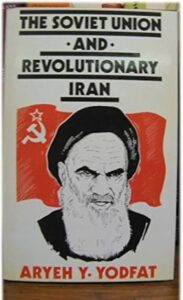
Iran’s approach is not unprecedented. Similar policies have been implemented in other authoritarian regimes, using medical or psychological justifications to enforce conformity. For instance, in the Soviet Union during Stalin’s rule, political dissidents were often declared mentally ill and confined to psychiatric institutions. This misuse of psychiatry served to delegitimize opposition and suppress dissent.
Another example is China, where the Chinese government has employed “re-education centers” for Uyghur Muslims in Xinjiang, framing them as necessary to combat extremism. These centers often involve forced indoctrination and human rights abuses under the guise of rehabilitation.
These examples highlight a disturbing trend among authoritarian regimes: the use of medical or psychological narratives to justify control and punish perceived disobedience. Such practices erode trust in medical institutions and deepen societal fractures.
The Iranian regime’s decision to label unveiled women as psychologically ill and subject them to forced treatment represents a new low in its campaign of repression. Misusing the medical sector for political purposes risks alienating its citizens and the professional integrity of its healthcare system.
History has shown that such measures only serve to deepen societal divisions and delegitimize the authorities that enforce them. The international community and Iranian society must continue to resist these oppressive policies, advocating for human rights, personal freedoms, and the sanctity of medical ethics.
Mayasa
11.12.2024