
Language, Literature, and Cultural Identity Under Political Repression: A Comparative Perspective
By Mayasa Albawi
June 27, 2026
Language, literature, and culture form the foundational pillars of collective identity, shaping how communities remember their past, interpret their present, and imagine their future. Across different historical and political contexts, authoritarian and highly centralized regimes have frequently targeted these domains as strategic sites of governance. The regulation of language and cultural expression is widely recognized in political and historical scholarship as one of the most effective instruments of control, precisely because it intervenes in identity formation, collective memory, and the potential for resistance.
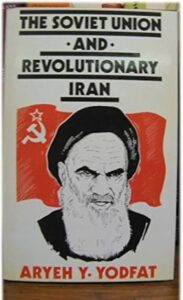
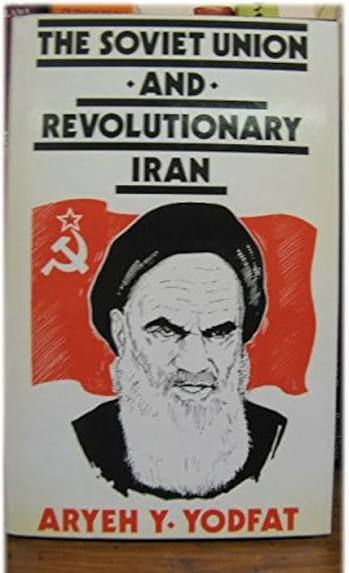
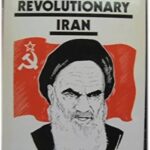
This pattern is evident across multiple geopolitical contexts, although it is expressed through different institutional forms and intensities. In Francoist Spain, for example, regional languages such as Catalan, Basque, and Galician were systematically repressed through state institutions, including education, administration, and the media. The regime promoted Castilian Spanish as the sole legitimate language of national unity, framing linguistic diversity as a political threat. Similarly, during the early and middle periods of the Soviet Union, Russian was increasingly positioned as the dominant administrative and cultural language. While Soviet language policy was not entirely uniform and shifted over time, minority languages often experienced reduced institutional support, and cultural production was frequently subordinated to centralized ideological objectives.
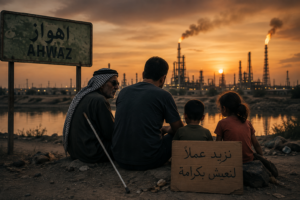
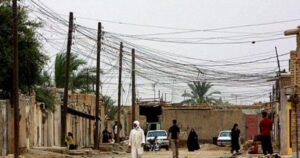
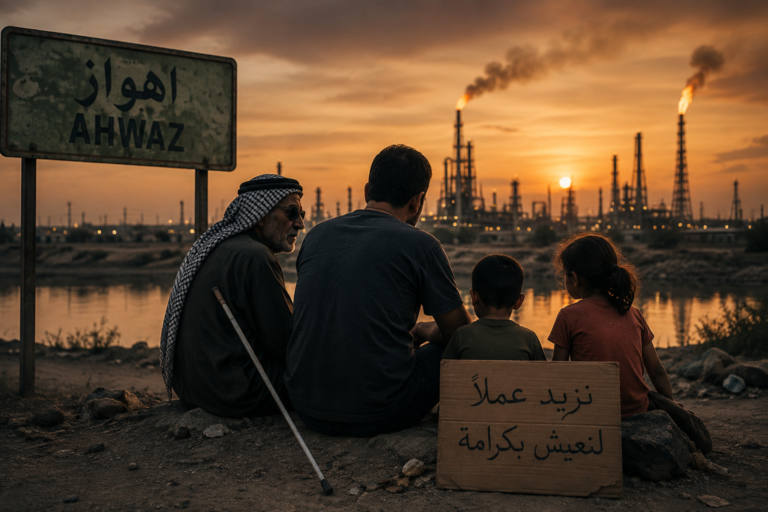
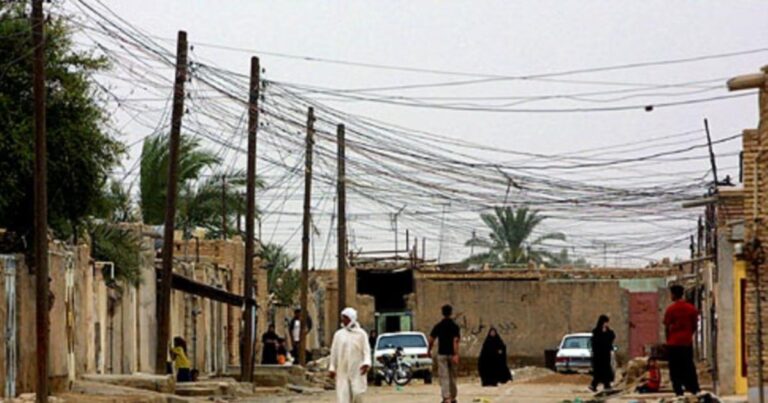
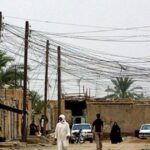
Comparable dynamics are reported by human rights observers in the contemporary Iranian context, particularly regarding minority communities such as the Ahwazi Arabs. According to critics and advocacy organizations, Arabic linguistic and cultural expression in Iran has long faced structural constraints, including a lack of institutional recognition, the absence of mother-tongue education, and the broader marginalization of Arab cultural identity in public life. Within this environment, literature—especially poetry—has become a central medium through which cultural memory, identity, and continuity are preserved.
In such contexts, literary expression carries heightened political and social significance because it functions as a carrier of collective memory and identity. As a result, activist and human rights accounts often describe writers and poets as facing increased vulnerability. Reports from advocacy organizations document cases involving arrest, imprisonment, and sustained pressure on cultural figures, including reports of ill-treatment, psychological coercion, and inadequate access to medical care during detention. Critics argue that security and judicial institutions are sometimes used in expansive ways, relying on broadly defined charges related to national security, which may have a chilling effect on peaceful cultural and artistic expression.
One case that has received particular attention is that of the Ahwazi Arab poet Amin Askaravi. Human rights organizations have raised concerns about his detention, reported interrogation practices, and subsequent sentencing to a prison term following several months in custody. Activist accounts present his case as part of a wider pattern in which cultural and literary figures are subjected to heightened scrutiny and legal pressure because of their expressive activities. While individual cases vary in their specific circumstances, they are often interpreted collectively as indicative of broader structural tensions between cultural expression and state security frameworks.
Other Ahwazi Arab poets, including Sattar Abu Sorour, Hassan Haidari, and Khalaf Yaqoub Sokhravi, are similarly cited in advocacy literature as examples of writers whose work is deeply connected to cultural identity and whose visibility has reportedly coincided with forms of surveillance or political pressure. In these accounts, poetry is not only an artistic practice but also a social and cultural act that sustains linguistic and historical continuity in the absence of full institutional recognition.
Across these cases, a recurring structural pattern can be identified: the governance of identity through the regulation of language and cultural production. In the Iranian context, critics and human rights observers argue that this governance is exercised through a combination of centralized institutions—particularly education, the media, and administrative systems—and security-oriented mechanisms. Persian is widely described as the dominant language of public life and institutional mobility, while minority languages do not exist in formal domains such as schooling and public administration. As a result, linguistic diversity is not merely positioned at the margins of state structures but is effectively excluded from them, with minority languages rendered absent from formal institutional life.
A key analytical distinction between Iran and earlier cases such as Francoist Spain and the Soviet Union lies in the mode of regulation. Francoist policy was largely characterized by explicit prohibition and overt linguistic homogenization, directly restricting the public use of regional languages. Soviet language policy, while more variable over time, tended to privilege Russian as a lingua franca of governance and upward mobility, often producing uneven effects on minority languages. In contrast, critics of the Iranian context describe a more complex and multilayered system of linguistic governance that combines both overt and indirect mechanisms. Rather than relying solely on formal bans, linguistic control is argued to operate through overlapping practices, including security-based prosecution of writers, broadly defined legal categories applied to cultural and expressive activity, structural limitations in education and public administration, and additional administrative and regulatory measures that collectively shape the linguistic environment.
Additional concerns raised by activists include the absence of systematic mother-tongue education for minority communities, which may affect intergenerational language transmission, as well as reported administrative restrictions that can influence cultural naming practices. Taken together, these mechanisms are interpreted by critics as extending linguistic governance beyond public expression into education, civil documentation, and aspects of private identity formation, thereby embedding language policy within everyday social structures.
Despite these contextual differences, the outcomes described across all three cases show notable convergence. In each instance, minority languages experience varying degrees of institutional weakening, and literature becomes a sensitive or politically charged domain of expression. Writers and intellectuals often emerge as symbolic figures precisely because they occupy the intersection between cultural preservation and political visibility, sustaining collective memory in contexts where identity is contested or regulated.
The comparison between Francoist Spain, the Soviet Union, and contemporary reports regarding Iran highlights a broader and recurring global dynamic: when states pursue cultural uniformity as a strategy of political consolidation, language and literature become central arenas of governance and tension. Although the mechanisms differ—from explicit prohibition to more indirect institutional regulation—the underlying logic reflects a belief that controlling linguistic and cultural expression can contribute to political stability and national cohesion.
At the same time, both historical and contemporary evidence suggests that linguistic and literary expression retains a significant degree of resilience. Even under conditions of sustained constraint, writers, poets, and intellectuals continue to preserve cultural identity and transmit collective memory across generations. In this sense, the experiences described among Ahwazi Arab writers, including Amin Askaravi and others referenced in advocacy accounts, illustrate how literature functions not only as an artistic form but also as a mechanism of cultural continuity and, at times, a form of peaceful resistance within constrained political environments