
Shadowed by War: Iran Escalates Repression in Ahwaz
By Mayasa Albawi
July 29, 2026
July 29, 2026
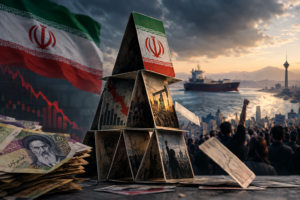
While regional and international attention remains fixed on wars and geopolitical crises across the Middle East, the Iranian regime has intensified its longstanding campaign of repression at home. Time and again, periods of regional instability have provided Tehran with opportunities to tighten its authoritarian grip, expand the powers of its security apparatus, and suppress dissent with diminished international scrutiny. Rather than addressing mounting economic hardship, political discontent, and social grievances, the authorities have responded with intimidation, arbitrary arrests, violence, and fear.
This pattern reflects more than isolated abuses it reveals a system that routinely disregards fundamental human rights. Freedom of expression, peaceful assembly, due process, and protection from arbitrary detention are repeatedly subordinated to the regime’s overriding objective of preserving political control. As international attention shifts elsewhere, Iranian authorities appear increasingly willing to employ coercion and collective intimidation to silence any challenge to their authority.
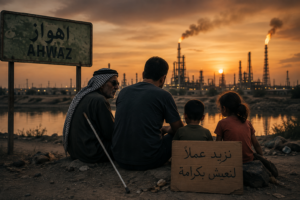
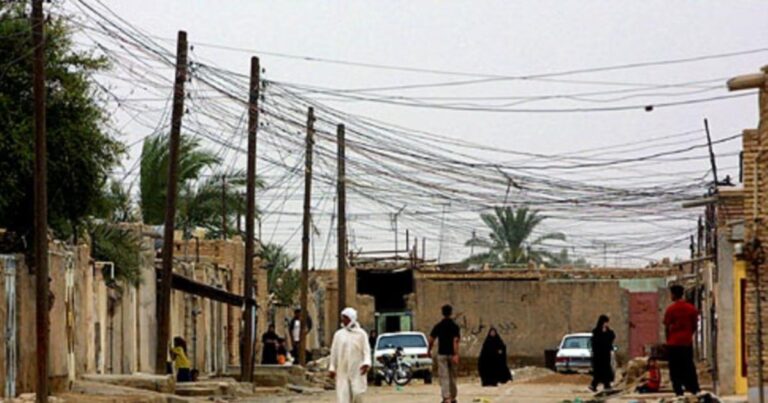
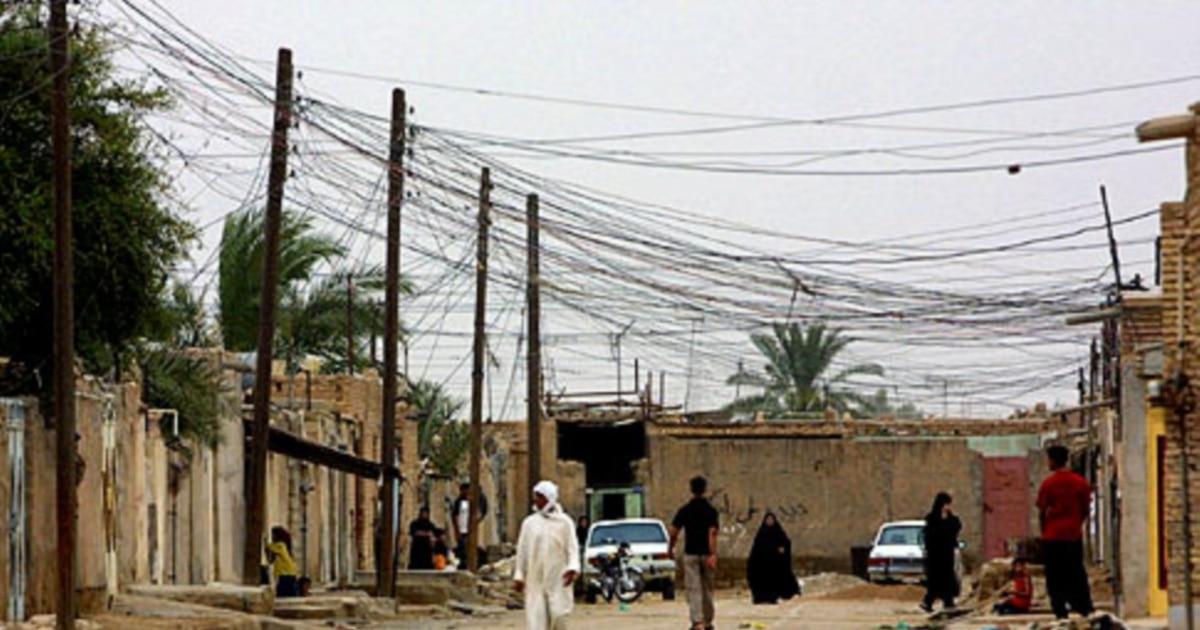
Among the most alarming developments is the escalating crackdown targeting Ahwazi Arab citizens across the Ahwaz region. Security forces have intensified raids in numerous cities and neighborhoods, disproportionately targeting members of the Arab minority, including young people and, according to local reports, minors under the age of eighteen. These operations have transformed entire communities into zones of fear, where the constant threat of arrest has become part of daily life.
Reports indicate that security forces have carried out arbitrary detentions, violent home raids, and widespread deployments in residential areas. Witnesses have described security personnel storming homes, physically assaulting residents, and detaining individuals without judicial warrants or transparent legal procedures. Such actions undermine the most basic principles of the rule of law and deprive citizens of protections guaranteed under international human rights standards.
The recent operations in Hamidieh and Kut Abdullah illustrate a particularly troubling escalation. According to local reports, security forces conducted coordinated raids marked by excessive force, including beatings and physical assaults during arrests. Dozens of individuals were reportedly detained and transferred to undisclosed detention facilities without their families being informed of their whereabouts or being granted access to legal counsel. Holding detainees incommunicado not only violates due process but also heightens concerns about ill-treatment and abuse while in custody.
These incidents are not isolated. They form part of a broader, well-documented pattern of repression that has been repeatedly highlighted by international human rights organizations. Arbitrary detention, excessive use of force, coercive interrogations, unfair trials, restrictions on freedom of expression, and intimidation of journalists, activists, lawyers, and ethnic minorities have become recurring features of governance in Iran. For the Ahwazi Arab community, longstanding allegations of discrimination in cultural rights, language, political participation, employment, and economic development are compounded by recurring security operations that reinforce a climate of marginalization and fear.
The timing of this intensified crackdown is particularly significant. By exploiting a period in which regional conflict dominates international headlines, Iranian authorities appear to be expanding internal repression while global attention is diverted elsewhere. This strategy risks allowing serious human rights violations to occur with reduced international scrutiny and accountability.
The events in Hamidieh and Kut Abdullah should serve as a warning that the human rights situation in Iran continues to deteriorate. Arbitrary arrests, enforced secrecy surrounding detainees, excessive force, and the targeting of vulnerable communities are incompatible with Iran’s obligations under international human rights law. These practices erode public trust, undermine the rule of law, and inflict lasting harm on affected communities.
The international community cannot allow regional conflict to eclipse the suffering of those facing repression inside Iran. Governments, the United Nations, independent human rights mechanisms, and civil society organizations should continue to monitor, investigate, and document allegations of abuse while pressing for accountability. Human rights are universal and cannot be suspended simply because the world’s attention is focused elsewhere. The continued suppression of the Ahwazi Arab community and of others subjected to arbitrary state repression demands sustained international attention, independent scrutiny, and meaningful action to ensure that those responsible for serious human rights violations are held accountable.