The Paradox of a Wealthy Land
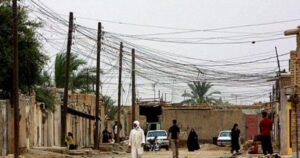
Not everything that rises from the land of Ahwaz is oil and gas. From beneath this same earth emerge stories of hardship, faces worn down by waiting, and hearts exhausted by a question simple in its words, yet profound in its pain: How are we to live?
It was on this land that Adnan Shanawi lived—a young Ahwazi Arab from Mahshahr, one of those who asked little of life. All he wanted was a job he could return home from at the end of the day, earning enough to provide his family with bread and medicine and to feel that he was still capable of protecting those he loved.
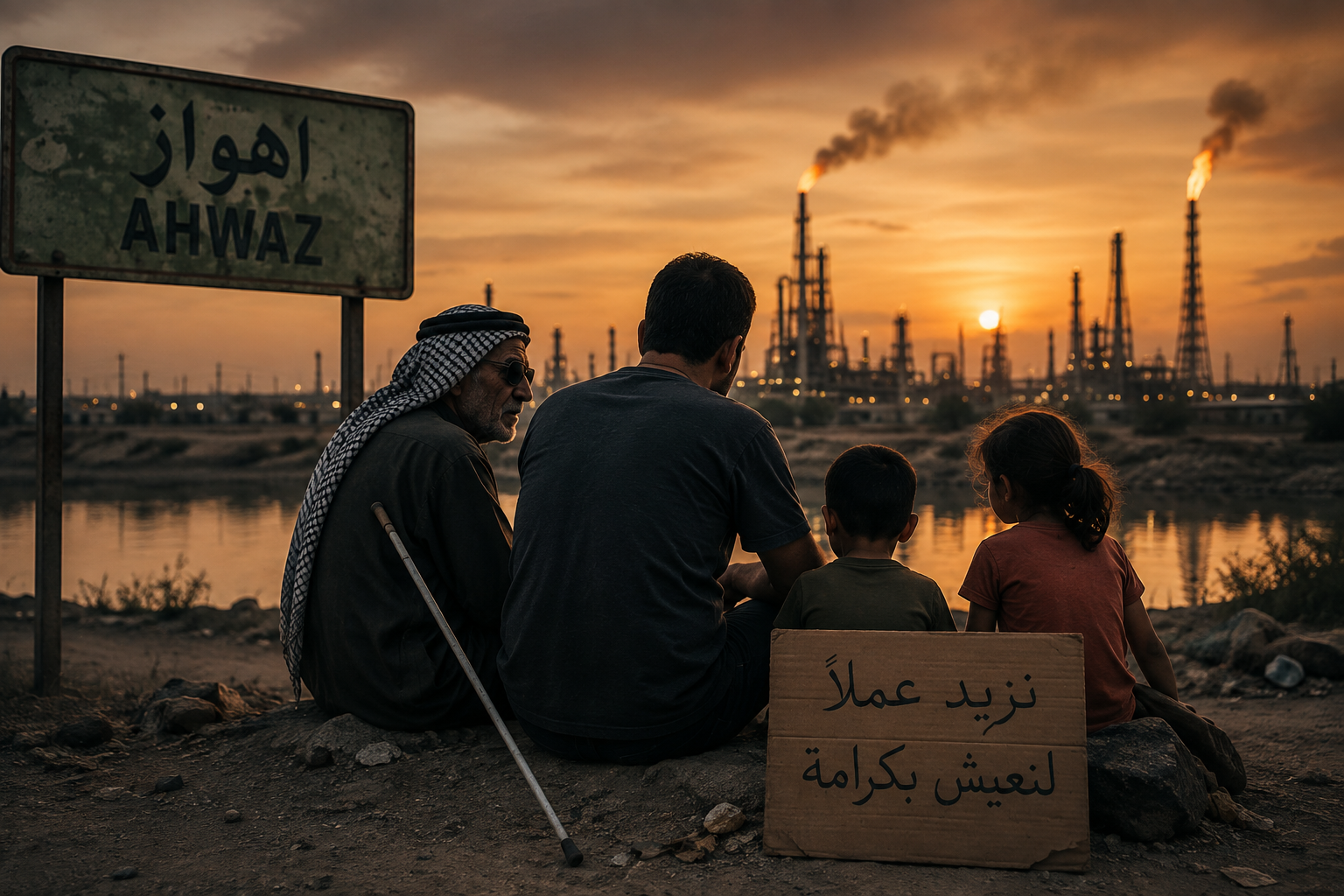
He was the sole breadwinner of a family already burdened by hardship: a blind and ill father, a brother with Down syndrome, and two young children. Then he was dismissed from his job, and for more than six months, he went without wages or health insurance. Despite his repeated efforts to find another source of income, no door seemed to open.
As the pressure mounted and months of unemployment, severe financial hardship, and psychological distress accumulated, Adnan reached a painful point when the horizon seemed to close in around him. With the weight of these hardships bearing down on him and no clear path forward, he ultimately took his own life, leaving behind a family that had lost its only source of support.
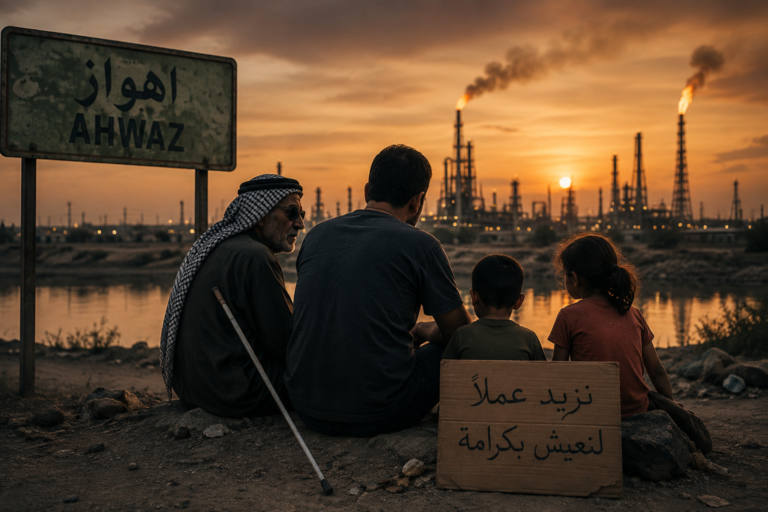
Adnan was the son of a land from whose depths immense wealth is extracted, located in the heart of a region that is among the country’s major centres of oil, gas, and petrochemical production. Yet he could not find an opportunity that would preserve his dignity and provide his family with the necessities of life. He was not asking for luxury. He wanted something far simpler: a job, a measure of dignity, a loaf of bread to bring home, and a tomorrow his children would not have to fear. Yet, for a young Ahwazi Arab man, even these most basic rights—work, dignity, and the means to provide for his family—were too much to ask.
Adnan is gone. Two children remain who, for now, will not understand why their father is no longer there. A blind father will never see his son’s face again. And a family will wake each day to the painful reality that its only source of support is gone.
What makes Adnan’s story even more painful is that it is not merely the story of one young Ahwazi Arab whose life came to an end. It reflects a wider pain shared by many young Arabs in Ahwaz—a generation living on land rich in oil, gas, and industry, yet finding themselves on the margins of the wealth beneath their feet.
What could be more painful than belonging to a land of such abundance and still finding no room within its wealth for a dignified life? What could be more bitter than watching the riches of your own land being taken from beneath your feet while you struggle to provide for your family? How can a land so rich become so narrow for its own people that the dream of decent work becomes an impossibility?
May God have mercy on Adnan, and on a heart that carried the burdens of an entire family until life became too heavy to bear.
Retaj
August 2026