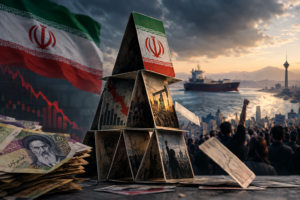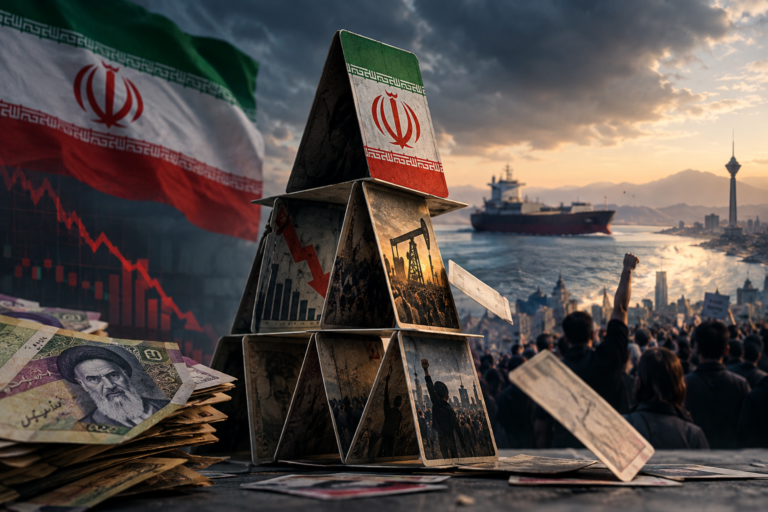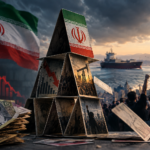


The situation in Iran has recently taken a disheartening turn, as evidenced by reports from multiple official news sources. In May, the Iranian regime broke its own record for the number of executions compared to figures from five years ago. Shockingly, hundreds of citizens have been subjected to capital punishment, and as we approach June, an additional four individuals have received death sentences. Furthermore, concerning accounts reveal that hundreds of citizens were apprehended during recent protests advocating for women’s freedom, rendering them vulnerable to the prospect of execution.
These developments have raised serious alarms, prompting Amnesty International to express deep-seated apprehension regarding the situation in Iran. The common narrative surrounding these executions primarily revolves around accusations of engaging in acts categorized as waging war against God and causing corruption within the nation. However, disturbing evidence has surfaced, suggesting that the Iranian regime is manufacturing evidence and employing coercive tactics to extract confessions from prisoners within their jail cells.
Numerous detainees have come forward, asserting that their confessions were obtained under duress and through methods of torture. Regrettably, their pleas for clemency have been met with indifference, resulting in their condemnation to death.
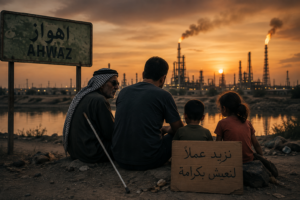
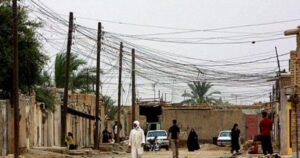
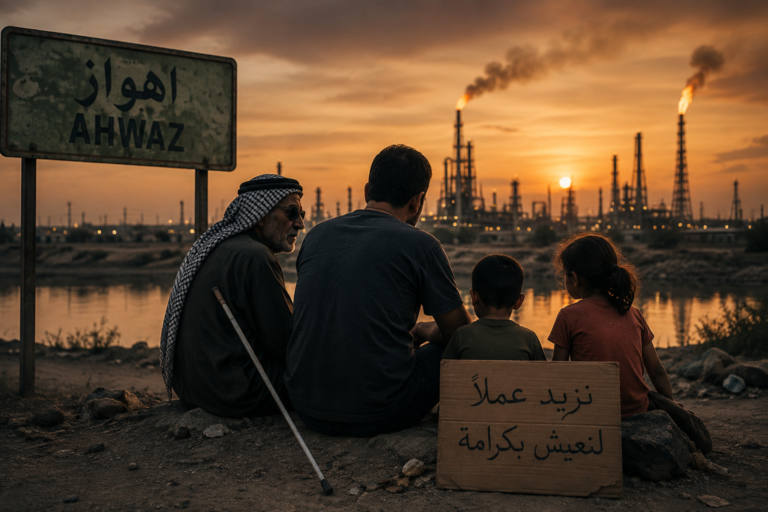
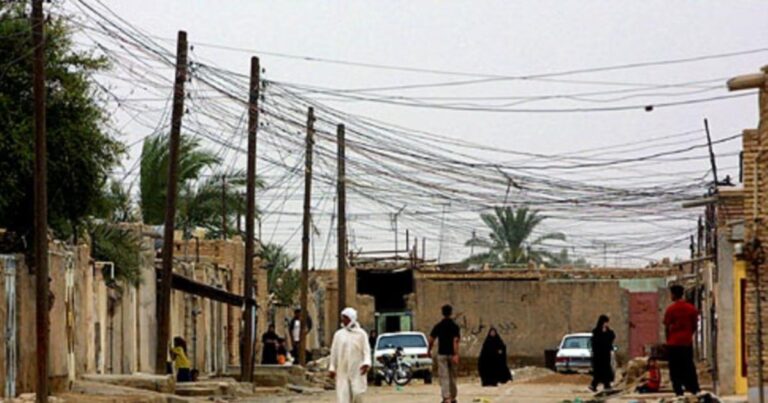
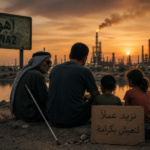
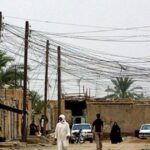
The occurrence of these distressing circumstances within Persian-speaking cities, which typically enjoy more favorable societal conditions compared to regions inhabited by minority populations, raises profound concerns about the gravity of the situation endured by marginalized groups in Iran, such as Arabs, etc. Take Ahwaz, the Arabic city, as an example. Over time, it has transformed into a militarized city, providing the authorities with the means to arbitrarily detain individuals and impose capital punishment on them, often using counterfeit pretexts. The situation is further exacerbated by the fact that families of the incarcerated are denied the opportunity to claim and bury the bodies of their loved ones. Instead, these individuals are interred in mass graves without any form of notification or acknowledgment.
The Arab populace encounters a plethora of challenges, including pervasive political surveillance, persistent harassment, dire economic conditions characterized by widespread poverty, and severe constraints on the practice of their language, traditions, and customs. Adding to the gravity of the situation is the fact that these abhorrent crimes are being perpetrated under a cloak of secrecy, further intensifying the plight faced by Arab citizens.
The question that looms large amid this disturbing situation is why the international community remains alarmingly careless in the face of these grievous offenses committed against Iranian citizens?
Mayasa
27.05.2023